
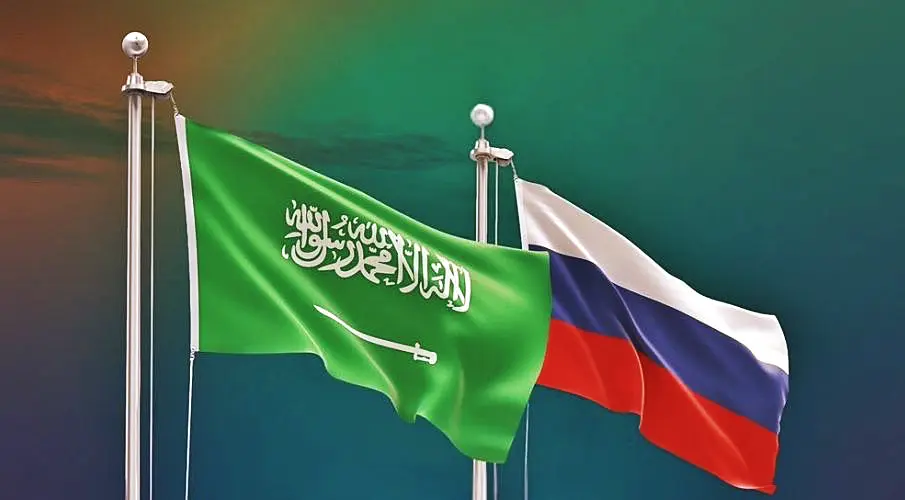
Russia and Saudi Arabia have officially abolished mutual visa requirements. Since the new agreement entered into force, Russian citizens have been able to travel to Saudi Arabia without a visa and remain there for up to 90 days per year. The same rules also apply to Saudi citizens traveling to Russia. At first glance, the agreement appears to be another step toward closer relations between Moscow and Riyadh. But behind the diplomatic opening lies a far more complicated reality. Because although the visa requirement has now disappeared, direct travel remains heavily restricted. Due to the war in the Middle East and the tense security situation, flight connections to many countries in the region continue to be disrupted. Russian travel agencies have partially suspended the sale of trips to Saudi Arabia. In addition, the Russian Foreign Ministry’s recommendation to avoid travel to the Gulf region whenever possible remains in effect.

May 11, 2026 - The agreement on the mutual abolition of visitor visas for citizens of the Kingdom of Saudi Arabia and the Russian Federation enters into force.
Even so, travel companies are already hoping for a future boom. Providers are expecting rising demand especially during the fall and winter seasons. Saudi Arabia has invested enormous sums for years into hotels, resort regions and tourism infrastructure. At the same time, the country remains a largely unfamiliar destination for many Russian tourists.
The numbers already show a significant trend. According to industry representatives, tourism from Russia to Saudi Arabia had already increased sharply before the abolition of visa requirements. In 2025, growth reportedly reached around 31 percent compared to the previous year. With the new entry rules, parts of the industry are now even expecting an increase of more than 70 percent.
At the same time, however, it is becoming clear how deeply political and economic crises now shape the reality of international travel as well. While Russia hopes for more tourists from Saudi Arabia, many people from the Gulf region remain cautious. Travel providers openly explain that restrictions on internet access inside Russia, along with the country’s disconnection from several international payment systems, discourage many potential visitors.
There is also a political point that is often ignored. During times of crisis, states frequently move closer together, even when one of the partners is itself deeply involved in international conflicts or military confrontations. Economics, energy policy, tourism and geopolitical interests continue operating side by side regardless. That is exactly why the new agreement between Russia and Saudi Arabia also feels like an example of how quickly international isolation loses significance once economic or strategic interests become stronger.
At this point, it is becoming difficult to get more grotesque. While Russia and Saudi Arabia open their borders to one another, Saudi Arabia is simultaneously increasing purchases of Ukrainian air defense systems against Iranian attacks. One partner is moving ever closer militarily to Tehran, while the other is arming itself with technology designed specifically to stop those exact Iranian drones. Even geopolitical contradictions now feel as if someone assembled them in the middle of the night by shaking dice inside a cup.
Updates – Kaizen News Brief
All current curated daily updates can be found in the Kaizen News Brief.
To the Kaizen News Brief In English


Und Trump kuschelt weiter mit Putin und sieht es nicht.
Allerdings müssen die Ukrainer sehr aufpassen.
Einerseits brauchen sie milliardenschwere Verträge, andererseits steigt das Risiko enorm, dass Russland diese Technologie gegen einen entsprechenden Preis erhält.
Der einzige Vorteil, den die Ukraine hat