
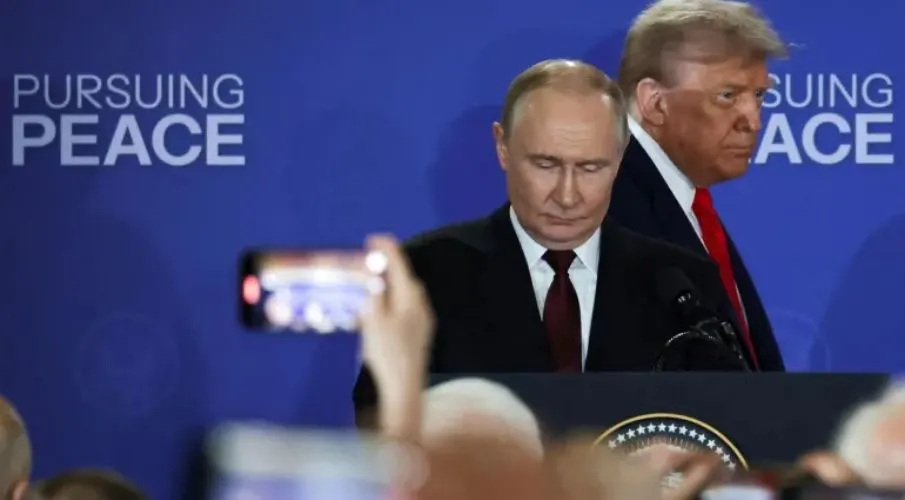
40,000 metric tons of Russian diesel are making their way toward New York. The tanker Agioi Fanendes left the Baltic port of Primorsk on October 22, flying the Maltese flag and carrying low-sulfur diesel in its tanks. Expected arrival: November 7. Donald Trump has promised Americans cheaper diesel. But the congressional elections are already set for November 3. That means the first ship under his agreement with Vladimir Putin won't reach America until 4 days after the election. Apparently, making an election promise takes nothing more than an announcement, while even an oil tanker still has to obey the laws of distance.

Since Russia's invasion of Ukraine in 2022, Russian crude oil and petroleum products have been subject to U.S. import restrictions. Trump has now suspended parts of those sanctions. The exemption for Russian diesel runs through April 2027. In return, Russia lifted its own diesel export ban. The very country whose war of aggression was supposed to be restrained through economic pressure is once again gaining access to the American market. Russian attacks on Ukraine continue. At gas pumps across the United States, other considerations now seem to matter more.
Trump announced the agreement on October 9. Russia would initially supply 300,000 metric tons of diesel to the American and international markets, equivalent to 2.25 million barrels. Another 500,000 metric tons would follow in November, with 1 million metric tons immediately afterward. Russian Deputy Prime Minister Alexander Novak held out the prospect of exports returning to 3 million to 3.5 million metric tons per month by the end of the year. Kremlin spokesman Dmitry Peskov confirmed on Friday that the first tanker had departed. Further shipments would follow regularly. Who bought the 40,000 metric tons and who sold them remains unknown.

In Europe, the newfound friendliness toward Russian fuel is being met with considerable anger. EU foreign policy chief Kaja Kallas pointed out on October 12 that Russia had started this war. Economic pressure needed to be increased if the goal was to end it. Irish Foreign Minister Helen McEntee described the agreement as deeply concerning. EU foreign ministers decided to maintain the sanctions and expanded the sanctions list by nearly 1,600 entries. While Washington is letting Russian diesel back in, Brussels is trying to further restrict Moscow's economic room to maneuver.
Since February 2023, the EU has banned imports of Russian petroleum products. Russia therefore sold most of its diesel to Brazil and Turkey, as well as African countries. Central Asia receives supplies by rail. Following the lifting of Russia's export ban, tankers are already heading toward Turkey and Brazil again. Other ships leaving Primorsk listed Gibraltar or Port Said as their destinations. For additional cargoes, only the Atlantic coast has been indicated so far. The old trade routes are being traveled again, while Moscow expects additional American buyers.
Trump also put pressure on his European allies. Unless they released additional supplies from their strategic oil reserves, he threatened to impose a U.S. diesel export ban. Europe is supposed to open up its reserves while Washington eases its restrictions on Russian shipments. Governments on both sides of the Atlantic are talking about the same war. When it comes to trading with the country responsible for starting it, very different rules now seem to apply.
Even in Washington, this deal is far from universally welcome. On October 13, 12 senators, including 6 Republicans, demanded that the agreement be reversed. In their letter to Trump, they called it a gift to an adversary and a betrayal of America's allies. The additional revenue could help finance Putin's war, while American consumers would see little relief. Experts share the doubts about its effect on prices. The first shipment amounts to roughly 300,000 barrels, around 7 percent of daily U.S. diesel consumption. Even larger quantities are unlikely to make a decisive difference in prices.
By now, even top Russian officials are dealing with the question of payment. Kirill Dmitriev, Putin's envoy and head of Russia's sovereign wealth fund, said the U.S. Treasury Department had asked his fund for help resolving complicated payment issues. According to Novak, companies from both countries are negotiating the necessary contracts. Money is supposed to find its way to Russia, while the sanctions were originally intended to prevent Moscow from freely collecting revenue from its energy business.
Rising diesel prices are closely tied to the war against Iran being waged by the United States and Israel. Trump is looking for economic relief and is turning to Putin, of all people, to get it. The Russian president gains new markets for a commodity whose sale had been restricted for years. Meanwhile, the Agioi Fanendes continues toward New York. Its diesel is still on the way. Washington has already delivered its political disgrace.
Updates – Kaizen News Brief
Alle aktuellen ausgesuchten Tagesmeldungen findet ihr in den Kaizen Kurznachrichten.
To the Kaizen News Brief In English


