
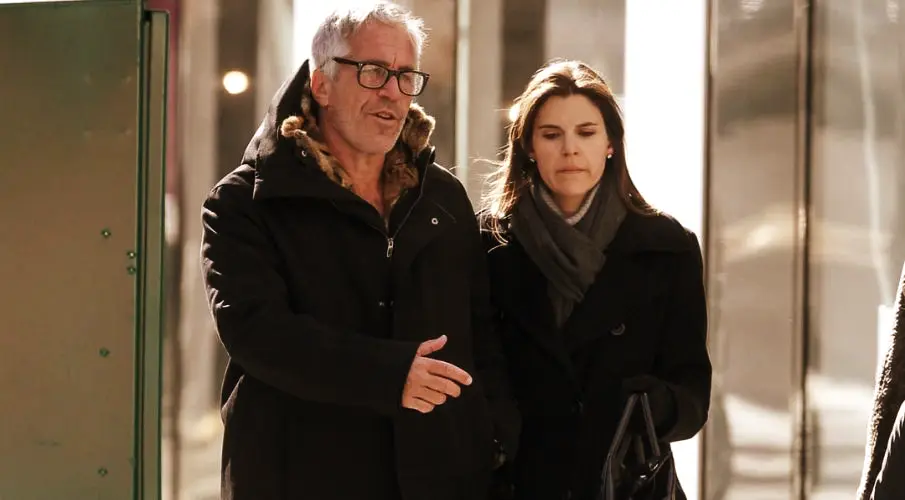
The Jeffrey Epstein case forces one of the most difficult questions of all: Who was a victim - and who became part of the machinery that produced further victims? Investigators, prosecutors, FBI agents and journalists still struggle with this boundary today. Because Epstein’s system did not function only through violence or money. It functioned through control over people. Many of the girls and young women who came to his houses were first victims. Some appeared once, gave the alleged “massages,” were abused and then disappeared from his life forever. Others returned. Some came again and again. And some of them later began to bring new girls.
For outsiders this seems almost impossible to understand. Why would someone return after being abused? The answer lies in the way Epstein constructed his environment. He promised young people a different life. Money. Opportunities. Connections. Anyone who entered his houses saw luxury that for many was unimaginable. For girls from difficult families or without stable support, that was more than just wealth. It was the prospect of another life. Epstein understood exactly how to create trust. He presented himself as someone who cared. A man with influence who could open doors. Beside him stood Ghislaine Maxwell, who for many of the girls played an almost maternal role. She asked questions about their lives, listened, gave advice - and in doing so created a closeness that later became control. The message was simple: Whoever followed the rules could become part of this world.

One example of this is Sarah Kellen. She grew up as a Jehovah’s Witness, in a strictly isolated environment. As a young adult she was expelled by her family. She moved with a boyfriend to the other side of the country, but that relationship also broke apart. In the end she was left alone. A young woman without support who had already lived in a strongly controlled community. For someone like Epstein that was an ideal starting point. At the beginning he promised many of these young women jobs as assistants. Step by step they were drawn into his operations. Coordinating appointments. Organizing contacts. At some point it was no longer about office work but about organizing the girls who were brought to him.

Sarah Kellen Vickers was among the central figures in the circle around Jeffrey Epstein. Documents from the investigations of the years 2006 to 2008 already show that she organized most of the appointments in the Palm Beach house. Girls who came for the alleged “massages” received between 200 and 300 dollars after the meetings - the money was often paid out by her. Investigations and court records showed that Kellen Vickers remained connected to Epstein and continued working for him even beyond 2013. Several witnesses mentioned her name during the trial against Ghislaine Maxwell. The judge even described her during sentencing as a “criminally responsible participant.” Nevertheless Kellen Vickers has never been charged to this day. In several civil lawsuits, however, her name appears as a defendant.

Sarah Kellen Vickers’ name also continues to appear in later court records in connection with Jeffrey Epstein. In a sworn declaration in the case Virginia L. Giuffre v. Ghislaine Maxwell before the United States District Court for the Southern District of New York, a senior investigator from a private investigations firm describes the delivery of subpoenas. Investigator Douglas G. Mercer states under oath that his firm had been commissioned to serve subpoenas on several individuals from Epstein’s inner circle. These included Jeffrey Epstein, Sarah Kellen Vickers and Nadia Marcinkova.
On April 25, 2016 the investigative office had the current addresses of these individuals in New York researched in order to prepare the service of the court documents. The declaration shows that several of the central figures from Epstein’s circle were still the subject of legal proceedings and investigations years after the first inquiries. The name Sarah Kellen Vickers therefore appears not only in the early investigative files from Palm Beach but also in later court documents connected to the civil proceedings surrounding the network of Jeffrey Epstein.
Her work had already begun in 2002. She worked both at the residence in Manhattan and at the house in Palm Beach. During this time Maxwell was already losing influence over daily operations while Kellen increasingly took on tasks that had previously been attributed to Maxwell. Carolyn Andriano, herself a victim of Epstein, testified in court that Kellen Vickers had taken nude photographs of her at least once before a meeting that later resulted in sexual abuse by Epstein. Andriano received several hundred dollars for it. She died in 2023 in a hotel room in West Palm Beach from an accidental overdose. Kellen Vickers herself describes herself as a victim. She stated that she had been “raped and abused weekly” by Epstein and Maxwell. At the same time statements and records show that Epstein paid many girls to bring additional young women. According to reports he demanded three new appointments every day. Many of the victims came from schools in Palm Beach County. The Royal Palm Beach High School is mentioned particularly often, from which at least fifteen students became entangled in the system.

Today Sarah Kellen Vickers lives a completely different life. She was married to NASCAR champion Brian Vickers. In February 2025 he filed for divorce according to court documents in Miami Dade. The proceedings are still ongoing. The couple owned a house in Miami Beach worth around 6.5 million dollars that was listed for sale. The case of Sarah Kellen Vickers shows how difficult it is to draw clear lines in Epstein’s system - between victimhood, dependency and personal responsibility.
Some of them might perhaps have been able to leave once they understood what was really happening. But it was rarely that simple. Many were barely older than teenagers. Some came from families that had already fallen apart. Others had already experienced abuse themselves. Still others were recruited abroad and brought to the United States with promises of a career as a model or actress.
This is how human trafficking works. It rarely begins with violence. It begins with promises. Anyone who comes from secure circumstances can hardly imagine how quickly people fall into such dependencies. Anyone who has never experienced what it means to be completely alone easily underestimates the power someone like Epstein could gain over young people. Epstein and Ghislaine Maxwell created an environment in which sexual abuse appeared normal. Girls were convinced that this was part of a system that supposedly brought them advantages. What from the outside looks like a network of perpetrators and helpers was for many on the inside a web of dependency, fear and false hopes.
The Epstein case is therefore more than the story of a wealthy man who committed crimes. It shows how easily vulnerable people can be manipulated - and how quickly victims can be pushed into roles they themselves never chose. This does not apply only to this one case. Worldwide tens of thousands of children and young adults are exploited in similar ways. Anyone who wants to fight this reality must first understand how such systems function. And above all something must happen that for a long time was not self evident: Believe the victims.
Updates – Kaizen News Brief
All current curated daily updates can be found in the Kaizen News Brief.
To the Kaizen News Brief In English


gerade diese Mädchen aus prekären Verhältnissen fühlten sich vielleicht zum ersten Mal gewertschätzt. Viele hatten Missbrauch (nicht unbedingt sexuellen) und Vernachlässigung erfahren. Trotzdem sollten Opfer, die zu Tätern wurden, vor Gericht kommen, angehört werden, auch um weitere Täter und Opfer zu identifizieren. Das wird leider unter der jetzigen Regierung nicht passieren. Da werden lieber etwaige unliebsame Zeugen mundtot gemacht.
…dam ist nichts hinzuzufügen
Gestern Nacht wurden im ZDF Dokus zu Trump und Epstein gebracht.
In der Doku wurde berichtet, dass Epstein zu seinem Geburtstag 12 jährige Drillinge geschenkt bekam.
Diese hat er vergewaltigt und einen Tag später wieder ins Flugzeug gesetzt und heim fliegen lassen.
Nun habe ich im Netz mal gesucht was man dazu findet.
Ich fand nur diesen Bericht – vielleicht ist es in anderen Berichten auch erwähnt worden, aber nicht so explizit wie hier.
Hier wird auch darauf eingegangen wie es zu solchen Übergriffen kommen konnte.
Also indirekt auch Abhängigkeiten…
Sex-Sklaven aus Frankreich eingeflogen Epstein soll Geschwister (12) missbraucht habenJeffrey Epstein hat sich in der Zelle das Leben genommen und muss keine Konsequenzen für seine mutmasslichen Taten fürchten. Sein Kumpel Jean-Luc Brunel dagegen schon. Dieser soll Epstein als Geburtstagsgeschenk drei Geschwister (12) aus Frankreich eingeflogen haben.
Wie aus der Zivilklage von Virginia Giuffre (35) hervorgeht, soll der Freund des US-amerikanischen Multimillionärs und Model-Scout, Jean-Luc Brunel (72), Epstein zum Geburtstag einst drei zwölfjährige Geschwister aus Frankreich «geschenkt» haben.Demnach sollen die Drillinge als Überraschung extra eingeflogen worden sein, berichtet die «Daily Mail»
Guiffre, die eigenen Angaben zufolge 1999 im Alter von 15 Jahren selbst als Sexsklavin angeworben und im Alter von 17 Jahren dazu gezwungen wurde, mit Prinz Andrew Sex zu haben, gibt an, die Mädchen getroffen zu haben.
«Jeffrey gab vor mir damit an, dass er die Zwölfjährigen aus Frankreich eingeflogen bekommen hatte. Die Girls stammten aus einer sehr armen Familie, und die Eltern hatten Geld gebraucht», sagt die Frau.
Der frühere Investmentbanker hätte ihr dann erzählt, wie die Französinnen «ihn massierten und Oralsex an ihm ausführen mussten». Einen Tag nach dem Fest seien sie wieder nach Hause geflogen worden.
«Er war total happy über sein Geschenk und hat noch wochenlang geschwärmt, wie süss und jung sie waren. Er hat mir erzählt, wie Brunel sie in Paris mit grossen Summen Geld, Visa und dem Versprechen von Model-Karrieren von den Eltern loseisen konnte. Jeffrey hat darüber gelacht, wie einfach er mit Geld alles und jeden kaufen konnte.»
Giuffres Gerichtsdokumente stammen aus der Klage von 2015. Erst vor zwei Wochen erlaubte ein Gericht, dass die mehr als 2000 Seiten der Klageschrift publik gemacht werden dürfen
,,,,,,,,,,,,,
.https://www.blick.ch/ausland/sex-sklaven-aus-frankreich-eingeflogen-epstein-bekam-drillinge-12-zum-geburtstag-geschenkt-id15475249.html
Über Jean-Luc Brunel haben wir hier im Magazin häufig berichtet und sind die wenigen, die das auch in Frankreich recherchiert haben. Nun zu den Fakten:
Die in der Doku erwähnte Geschichte über angebliche zwölfjährige Drillinge aus Frankreich, die Jeffrey Epstein zum Geburtstag „geschenkt“ worden seien, taucht tatsächlich in der öffentlichen Debatte rund um den Epstein-Komplex auf. Sie stammt jedoch nicht aus einem strafrechtlich bewiesenen Vorgang, sondern aus Aussagen in zivilrechtlichen Gerichtsunterlagen und aus Medienberichten, die sich auf diese Aussagen beziehen. Deshalb ist eine saubere Einordnung wichtig.
Der Ursprung der Geschichte liegt in eidesstattlichen Aussagen und Gerichtsunterlagen aus Zivilklagen, insbesondere im Umfeld der Klagen der Epstein-Überlebenden Virginia Giuffre. In verschiedenen Dokumenten schildert sie Begegnungen mit Mädchen aus Europa und beschreibt, dass der französische Modelagent Jean-Luc Brunel junge Mädchen aus armen Verhältnissen angeworben habe, oft mit Versprechen von Modelkarrieren oder Visa. Brunel war Gründer der Modelagentur MC2 Model Management und wurde über Jahre hinweg von mehreren Frauen beschuldigt, junge Models für Epstein rekrutiert zu haben.
In diesen Unterlagen wird auch eine Episode erwähnt, in der Epstein gegenüber Giuffre damit geprahlt haben soll, dass Brunel ihm sehr junge Mädchen aus Frankreich beschafft habe. Einige Boulevardmedien – insbesondere Daily Mail und ähnliche Portale – haben diese Passage später zugespitzt dargestellt und daraus die konkrete Geschichte von „zwölfjährigen Drillingen als Geburtstagsgeschenk“ formuliert. Genau diese zugespitzte Version wurde in manchen Artikeln verbreitet.
Wichtig ist jedoch: Diese Darstellung ist kein gerichtlich bestätigter Tatnachweis. Sie basiert auf Aussagen aus Zivilverfahren und auf Medieninterpretationen dieser Aussagen. Es gibt keine öffentliche strafrechtliche Anklage oder gerichtliche Feststellung, die exakt diesen Vorfall mit Drillingen bestätigt. Seriöse Medien berichten über solche Aussagen in der Regel vorsichtiger und ordnen sie als Behauptungen innerhalb von Klagen oder Zeugenaussagen ein.
Unbestritten ist dagegen der größere Kontext. Gegen Jean-Luc Brunel wurden in Frankreich Ermittlungen wegen Vergewaltigung, sexueller Gewalt und Menschenhandels geführt. Mehrere Frauen warfen ihm vor, minderjährige Models für Epstein rekrutiert zu haben. Brunel wurde 2020 in Paris festgenommen. Im Februar 2022 wurde er in seiner Gefängniszelle in La Santé tot aufgefunden. Die französischen Behörden stuften seinen Tod offiziell als Suizid ein. Ein Strafprozess gegen ihn fand deshalb nie statt.
Auch im Fall Epstein selbst blieb vieles ungeklärt. Epstein starb 2019 im Metropolitan Correctional Center in New York, ebenfalls offiziell durch Suizid, während er auf seinen Prozess wegen Sexhandels mit Minderjährigen wartete. Dadurch kam es nie zu einer vollständigen gerichtlichen Aufarbeitung seines gesamten Netzwerks.
Zusammengefasst: Die Geschichte mit den angeblichen zwölfjährigen Drillingen existiert in Form von Zeugenaussagen und Medienberichten, insbesondere aus Boulevardquellen. Sie ist Teil der Vorwürfe rund um Epstein und Brunel, aber nicht als gerichtlich bewiesener Sachverhalt bestätigt. Der belegte Hintergrund ist jedoch, dass Epstein über Jahre ein Netzwerk von Frauen und Mädchen aus verschiedenen Ländern missbrauchte und dass der Modelagent Jean-Luc Brunel laut mehreren Zeugenaussagen eine zentrale Rolle bei der Rekrutierung junger Models gespielt haben soll.
Danke für die ausführliche Einordnung und Info.
gerne
Das war und ist leider schon vor Epstein ein ganz großes Problem gewesen.
Minderjährige Migranten werden mit Versprechen abgefangen, bevor sie es zu offiziellen Einrichtungen schaffen.
Die Anwerber sind häufig selber Migranten, die „alles durchlaufen“ haben.
Sie wirken authentisch.
Im Pädophilen/Prostitutionsmilieu läuft es genau so.
Es braucht nicht einmal einen mächtigen Mann, wie Epstein.
Bei jungen Mädchen reicht meist ein junger Typ, der sie umschmeichelt.
Oder eine Frau mittleren Alters, die „Hilfe“ anbietet.
Bei jungen Jungen kommen junge Männer zum Einsatz.
Freiwillig gehen kann man aus solch kontrollierter Missbrauchssituation nur selten.
Die Realität besteht aus abgeschlossenen Zimmern, steten Häuserwechseln.
Vielleicht hatte einige der Epstein Opfer die Option freiwillig zu gehen.
Sie kehrten zum Teil zurück. Klassisches Stockholm-Syndrom.😞
Täter die Opfer waren, müssen auch eine Strafe erhalten.
Alleine aus Gerechtigkeit gegenüber deren Opfern.
Aber der eigene Missbrauch muss ebenfalls Thema sein!
Unter der Trump Regierung wird alles getan das zu vertuschen, Opfer zum Schweigen zu bringen.
Missbrauch im realen Leben als Kavaliersdelikt darzustellen.🤬
👍