
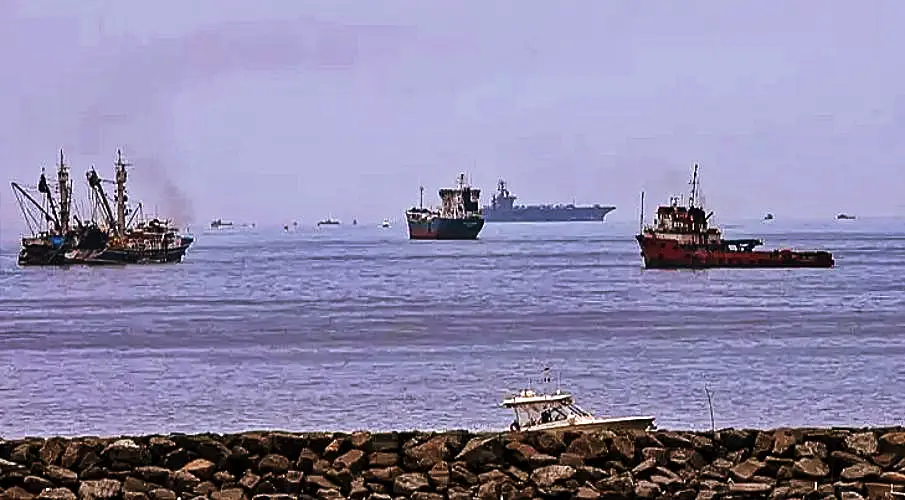
Tehran puts forward a proposal that forces the conflict into a different sequence. The Strait of Hormuz is to be opened, the blockade lifted, the war ended. The nuclear program is set aside and postponed. That is exactly where the break lies. Because what for Iran is a path out of escalation would strip Donald Trump of the leverage he is currently building. The plan comes through intermediaries, primarily from Pakistan, and is discussed in parallel across several capitals. Abbas Araghchi presents it, first in Islamabad, then in Muscat in talks with Haitham bin Tariq. Shortly afterward, he continues to Moscow to meet Vladimir Putin. The route shows how broadly Iran is seeking backing.
In substance, the proposal is structured clearly. Relief at sea first, then political talks. The ceasefire is to be extended or made permanent. The United States blockade would be lifted. Only afterward would negotiations on uranium enrichment and stockpiles begin. This sequence directly contradicts Washington’s objectives, which are aimed at forcing Iran into immediate concessions on its nuclear program. In the background, it becomes clear why Tehran is taking this path. Within the leadership, there is no agreement on how far to go on the nuclear issue. The proposal bypasses that question and postpones it. At the same time, it would ease the economic pressure already taking effect from the blockade.
Trump makes no secret that this pressure is intentional. He openly describes how the blockade is hitting Iran’s oil exports and is designed to strain the system from within. For him, that is the point where it will be decided whether Tehran gives in.
At the same time, talks continue, but without a clear framework. A meeting in Pakistan does not take place after Iran fails to give firm confirmation. Trump says he sees no reason to send negotiators on a long flight if talks can be conducted by phone. Direct engagement is further reduced. At the White House, the situation is being reassessed. A session in the situation room is scheduled, where options are to be laid out. At the same time, it remains unclear whether Washington will seriously consider the Iranian proposal at all. Sources close to the administration say negotiations will not be conducted through the press and that only a deal securing American interests and permanently preventing Iran from obtaining a nuclear weapon will be accepted.
That leaves two sides facing each other with little overlap. Tehran wants to buy time and relieve economic pressure. Washington wants to use that exact pressure to force concessions. In between lies the Strait of Hormuz, whose opening or closure will determine how long this crisis continues.
Updates – Kaizen News Brief
All current curated daily updates can be found in the Kaizen News Brief.
To the Kaizen News Brief In English


Es wäre eine Option, die der Iran auf den Tisch legt.
Aber Trump will seine Maximalforderung (wie Putin in der Ukraine) und bewegt sich nicht auf den Iran zu.
Man kann sich nur fragen, wer den längeren Atem hat.
Und wieviele Menschen bis dahin weltweit leiden müssen. 😞
…das wird zu ausmassen führen, die noch keiner kannte – aber die menschen gehen nicht auf die strasse, das bekommen politiker kaum druck, dadurch können solche pfeifen wie trump wunderbar chaos anrichten. ich würde für den 1 mai millionen auf der strasse erwarten, doch was wird kommen, 10-20 tausend in diversen gruppen und das wird dann noch bejubelt. vor 20 jahren wäre so eine teilnahmslosigkeit undenkbar gewesen