
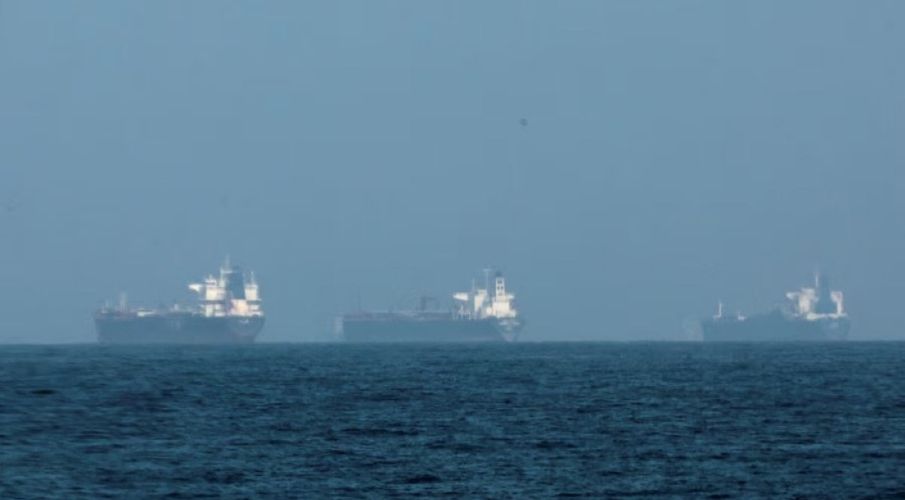
Iran opens a narrow corridor. Not for oil, not for trade, but for humanitarian aid and agricultural deliveries. Ali Bahreini, Iran’s ambassador to the United Nations in Geneva, makes this official. The goal is to ensure that necessary aid reaches people without delay. The sentence sounds almost calm. The situation behind it is not.
Just hours earlier, the United Nations had set up its own task force to make exactly that possible - to move food, fertilizer and relief supplies through a region where military actions have long become routine. UN Secretary General Antonio Guterres is in direct contact with Iran and the United States. Spokesman Stephane Dujarric refers to experience from other conflicts - Ukraine, Yemen, Gaza - where similar mechanisms were painstakingly built to get deliveries through at all. This time the focus is explicitly not oil. It is about supplies for millions of people.

While this diplomatic line is underway, bombs are falling elsewhere. Iranian state media report attacks on key nuclear facilities. The Shahid Khondab heavy water complex near Arak and a yellowcake production facility in Yazd province were hit. Yellowcake is a concentrated uranium product created after processing ore. Iran’s Atomic Energy Organization reports no fatalities and no contamination risk. Israel had already attacked Arak last year. Now comes the next round.
At the same time, the tone inside Iran is hardening. The Revolutionary Guards issue a warning to employees in companies with ties to the United States or Israel - they should leave their workplaces. Commander Seyed Majid Moosavi announces further retaliatory measures and openly says that previous rules no longer apply. At the same time, Washington is moving thousands of troops into the region, including units of the 82nd Airborne Division. US Secretary of State Marco Rubio emphasizes that objectives can be achieved without ground troops - but keeps all options open. Air defense systems are being moved from Europe to the Middle East. In Kyiv, this is being watched with growing concern.

Rubio also warns that Iran could attempt to restrict shipping through Hormuz or impose fees. He calls for an international plan to keep the route open permanently. The economic impact is already visible. The World Food Programme expects the number of people threatened by hunger worldwide to rise to 363 million. Rising energy prices are pushing food costs higher, especially in poorer countries. In several countries, prices have already risen by more than half.
Domestically, the first cracks are appearing in the United States. Younger conservatives are openly speaking of a break with what was promised during the campaign. Older supporters push back. The party appears divided - quietly, but clearly.

Inside Iran as well, pressure is growing on anyone who does not remain silent. The judiciary threatens to seize the assets of prominent critics. Among those affected are football player Sardar Azmoun and musician Mohsen Yeghaneh. At the same time, the Iranian national team commemorated victims of an attack on a school in Minab, where more than 165 people were killed, many of them children.
And in the middle of it all stands this one commitment from Tehran. A narrow corridor for aid deliveries, while the situation escalates all around it. The Strait of Hormuz is no longer just a geographical place. It is the point where military force, global supply and political power collide - every day, without pause, without a clear end.
Updates – Kaizen News Brief
All current curated daily updates can be found in the Kaizen News Brief.
To the Kaizen News Brief In English


Wer Hilfsgüter und deren Transport verwehrt, hat die unterste Stufe noch unterschritten.
Alle Länder täten gut daran die Hilfsgüter passieren zu lassen.
Unabhängig vom grausamen Kurs der Mullah, dem Hin und Her der USA und den steten Angriffen aus Israel, brauchen die Menschen Hilfsgüter.